
Flat, Spring, and Lock Washers: When to Use Each
A simple washer selection guide for load distribution, surface protection, and vibration resistance.
Nov 14, 2025
Flat, Spring, and Lock Washers: When to Use Each
A simple washer selection guide for load distribution, surface protection, and vibration resistance.
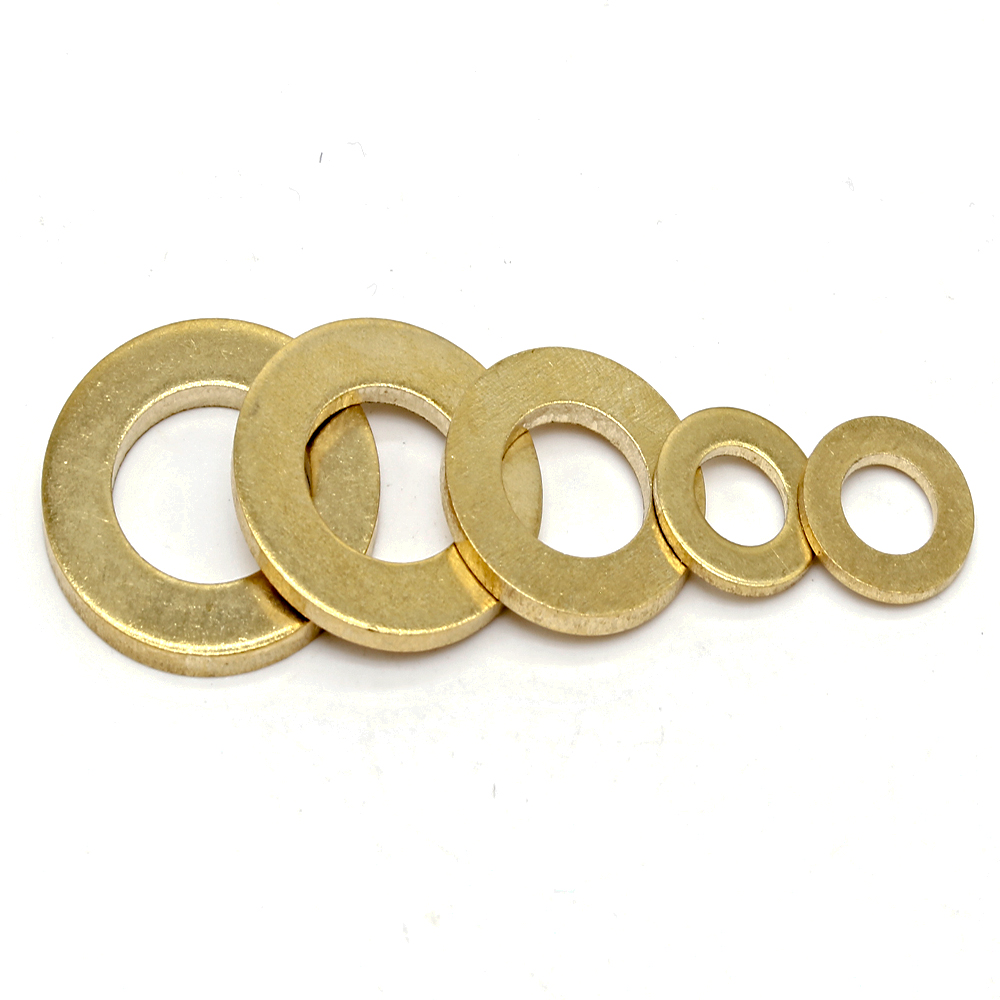
Washers look simple, but their function changes from one joint to another. In some assemblies they spread bearing load and protect the contact surface. In others they help compensate for oversized holes, softer materials, or specific locking strategies.
The important point is that washers are not automatically interchangeable. The right washer choice depends on what problem the joint is trying to solve.
What Each Washer Type Is Best At
- Flat washers spread load, reduce surface damage, and improve seating on softer materials.
- Spring washers are intended to add resilience, but their real-world locking value depends heavily on application conditions.
- Special lock washers or wedge-lock systems are chosen where vibration resistance is a defined requirement.
Washer Selection Should Match The Joint Strategy
If the joint already relies on controlled preload, adding a washer with unpredictable friction or deformation can affect the torque result. That is why engineers should treat the washer as part of the fastening system, not a last-minute accessory.
For demanding joints, test the chosen bolt, nut, washer, coating, and assembly method together. A washer that works well on one product may create preload scatter on another.