
Metric vs Imperial Fasteners: A Measurement and Conversion Guide
A buyer-friendly guide to diameter, pitch, TPI, and why near matches should never be treated as safe substitutes.
Oct 11, 2025
Metric vs Imperial Fasteners: A Measurement and Conversion Guide
A buyer-friendly guide to diameter, pitch, TPI, and why near matches should never be treated as safe substitutes.
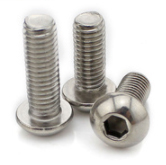
Fastener confusion often starts with measurement. Teams see a screw that looks close enough, compare diameters roughly, and assume metric and imperial parts can be swapped. In reality, small differences in pitch and thread angle are enough to damage the joint or create false assembly confidence.
The safest path is to identify the thread system first, then confirm diameter, pitch or threads per inch, and length measurement method.
What The Markings Usually Mean
A metric callout such as M8-1.25 means an 8 mm nominal diameter with a 1.25 mm thread pitch. An imperial callout such as 1/4-20 UNC means a 1/4 inch nominal diameter with 20 threads per inch.
- Diameter is measured across the outside of the thread.
- Length is usually measured from under the head, except for countersunk designs.
- Pitch and TPI are not interchangeable values and must be checked directly.
Why Close Enough Is Not Good Enough
A nearly matching thread can start by hand and still be wrong. That creates cross-threading risk, false torque readings, and reduced joint strength. The danger is highest when field teams work under time pressure and select replacements based on appearance only.
A simple gauge set and a clear work instruction prevent many costly mistakes. In mixed-system facilities, labeling storage bins by thread system and pitch is also worth the effort.