
Minimum Thread Engagement for Bolts and Screws
Why engagement length depends on material strength, load path, and whether the female thread is the weak link.
Feb 20, 2026
Minimum Thread Engagement for Bolts and Screws
Why engagement length depends on material strength, load path, and whether the female thread is the weak link.
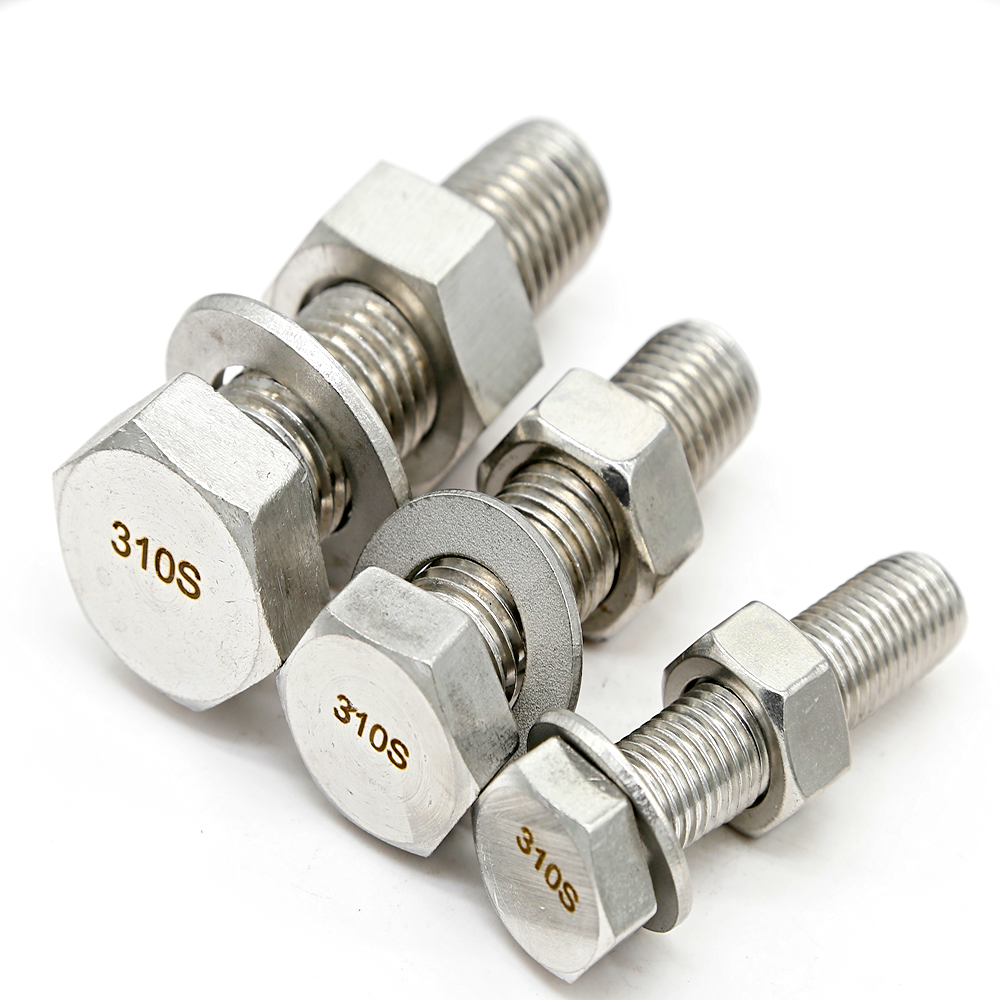
Thread engagement is one of the most misunderstood parts of fastener design. Too little engagement can strip the internal thread before the fastener reaches its intended preload. Too much engagement may add cost or packaging difficulty without delivering a meaningful benefit.
There is no single universal rule because the correct engagement length depends on the relative strength of the male and female materials, the thread form, and the loading condition.
What Engineers Should Evaluate
- Strength of the tapped material compared with the fastener material.
- Whether the joint sees static clamp load, vibration, or repeated service cycles.
- Manufacturing tolerance, thread quality, and risk of cross-threading in assembly.
A Practical Design Mindset
In steel-to-steel joints, the required engagement may be relatively compact because the internal thread is strong. In aluminum, plastics, castings, or thin sections, the female thread usually needs more support, inserts, or a redesign of the joint interface.
If stripping is a risk, engineers should not rely on intuition alone. A simple pull-out or torque-to-failure validation on the actual joint stack-up gives much better confidence than generic rules copied from unrelated applications.